


NEWS
Health updates and
clinic news
ASYMPTOMATIC HYPERURICEMIA: SHOULD YOU BE CONCERNED?
News
Jul 30, 2026

Asymptomatic Hyperuricemia: Should You Be Concerned?
What is Asymptomatic Hyperuricemia?
Asymptomatic hyperuricemia is a condition where blood uric acid levels are higher than normal, but the individual has not yet developed clinical symptoms related to gout or kidney stones.
In other words, the patient shows high uric acid markers but has never experienced an acute gout attack, developed urate stones, or suffered joint damage due to urate crystal deposits.
This condition is relatively common, particularly in middle-aged individuals, those who are overweight or obese, or people with co-existing metabolic disorders.
Causes and Risk Factors
Causes
-
Increased uric acid production: Often due to a diet high in purines (organ meats, seafood, alcohol) or metabolic disorders.
-
Decreased uric acid excretion: Commonly seen in chronic kidney disease or as a side effect of medications such as thiazide diuretics, furosemide, and cyclosporine.
-
Combined mechanisms: Often observed in individuals with metabolic syndrome.
Risk Factors
-
Males aged > 40.
-
Postmenopausal women.
-
Obesity and metabolic syndrome.
-
Hypertension and chronic kidney disease.
-
A diet rich in purines and high alcohol consumption.
-
A family history of gout.
Diagnostic Criteria
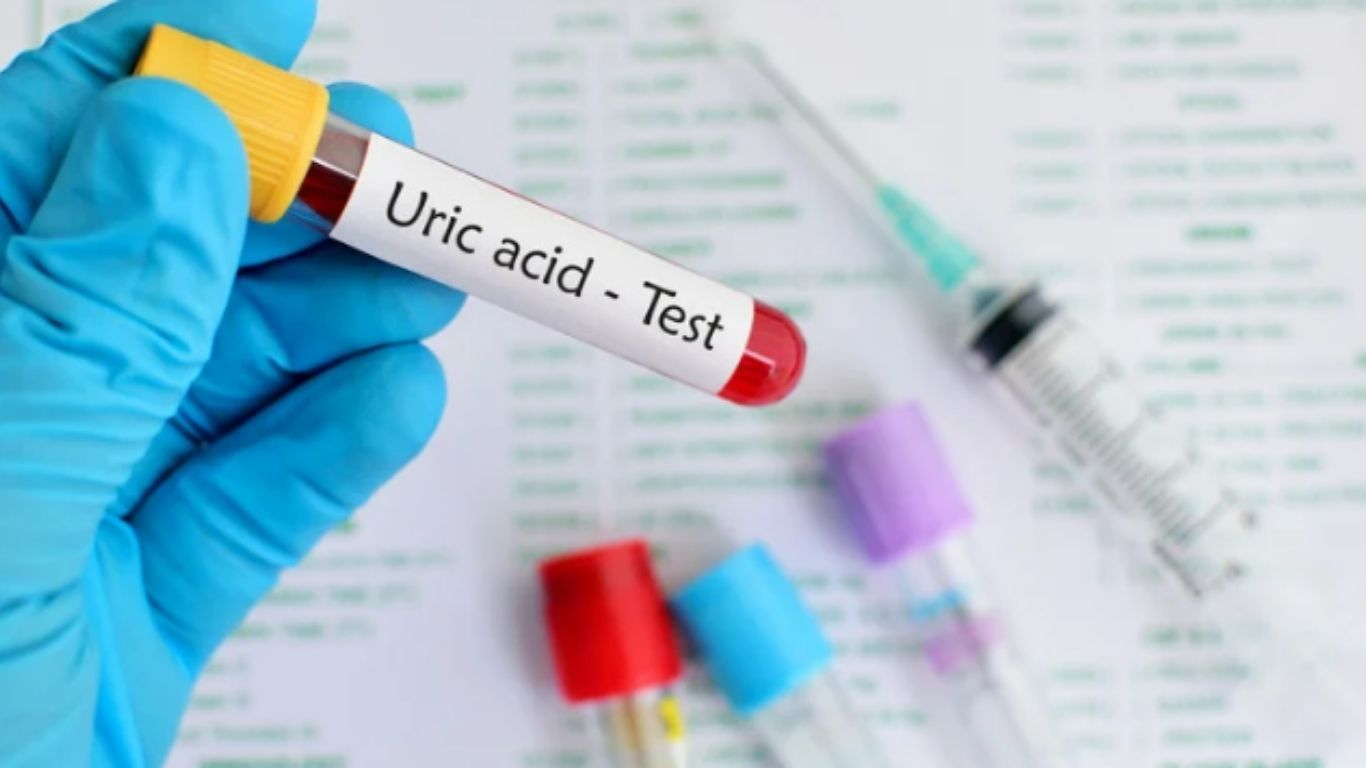
Asymptomatic hyperuricemia is diagnosed through blood tests:
-
Serum uric acid > 7.0 mg/dL (420 µmol/L) in men.
-
Serum uric acid > 6.0 mg/dL (360 µmol/L) in women.
 Crucially:
-
The patient has no history of acute gout attacks.
-
There are no urate stones or complications from urate deposits (confirmed via ultrasound, X-ray, or clinical examination).
Is Treatment Necessary?
This is a topic of much debate. Current international guidelines (ACR, EULAR) agree that:
-
Medication to lower uric acid is not recommended for all patients with asymptomatic hyperuricemia.
-
Treatment may be considered in specific cases:
-
Extremely high uric acid levels (> 9–10 mg/dL).
-
Advanced stages of chronic kidney disease.
-
A history of recurrent urate stones.
-
Organ transplant recipients or those on specific immunosuppressants.
-
In most cases, lifestyle modifications and regular monitoring are the preferred management strategies.
Management and Prevention
1. Lifestyle Modifications
-
Limit high-purine foods: Organ meats, seafood, red meat, and concentrated bone broths.
-
Reduce alcohol intake: Especially beer, which significantly elevates uric acid.
-
Stay hydrated: Helps the kidneys flush out uric acid and reduces the risk of stones.
-
Maintain a healthy weight: Weight loss improves insulin resistance and lowers uric acid.
-
Increase intake: Focus on green vegetables, fruits, and whole grains.
-
Limit high-fructose beverages: Such as sodas and boxed fruit juices.
 2. Regular Monitoring
 -
Check blood uric acid levels every 6–12 months.
-
Monitor kidney function, blood pressure, and lipid profiles.
-
Seek medical attention immediately if acute joint pain occurs (suggesting a first gout attack) or if there is blood in the urine or renal colic (suggesting kidney stones).
3. Medical Treatment (when indicated)
-
Allopurinol or Febuxostat: To inhibit uric acid production.
-
Probenecid: To increase uric acid excretion through the kidneys.
-
Medication must be strictly prescribed by a specialist; avoid self-medicating.
When to See a Doctor?
You should consult a physician if you:
-
Have test results showing high uric acid.
-
Have chronic kidney disease, hypertension, or lipid disorders.
-
Have a family history of gout.
-
Experience sudden joint pain, swelling, or redness (suspected acute gout).
-
Show signs of kidney stones: lower back pain, painful urination, or blood in the urine.
Conclusion
-
Asymptomatic hyperuricemia is a common condition.
-
Most cases do not require medication unless high-risk factors or complications are present.
-
Lifestyle changes, weight management, and regular check-ups are the keys to long-term management.
-
If high uric acid is detected, consult a doctor for a comprehensive evaluation and a tailored monitoring plan.
👉 Proactive screening and early consultation will help you manage this condition and prevent the risk of gout and other future complications.
To schedule an appointment, screening, and treatment for Asymptomatic Hyperuricemia at DYM Medical Center Vietnam, please contact:
-
DYM Medical Center Saigon: Room B101-B103, Basement 1, mPlaza Saigon Building, No. 39 Le Duan, Sai Gon Ward, Ho Chi Minh City
-
DYM Medical Center Phu My Hung: Room 3A01, 3A Floor, The Grace Building, 71 Hoang Van Thai Street, Tan My Ward, Ho Chi Minh City
-
DYM Medical Center Hanoi: B1 Basement, Epic Tower, Alley 19 Duy Tan, Cau Giay Ward, Ha Noi
-
Hotline: 1900 29 29 37
Register now to receive the latest offers
Book an appointmentMedical specialties
- Corporate health check-up
- Dental Checkup Package
- Pediatric Examination Package
- Work Permit Examination Package - Work Permit Supplement
- Pre-wedding health check-up
- Obstetrics and Gynecology Package
- Cancer Screening Package
- Health check-up for individuals
- Japan pre-entry Tuberculosis Screening(Jpets)
- Food Handler package
- Medical examination for labor export to Japan
- Medical examination for specific skills to work in Japan (Tokutei)






Contact us
Reach out to DYM for quick support through
our official channels.