

NEWS
Health updates and
clinic news
HYPERTHYROIDISM: CAUSES, SYMPTOMS, DIAGNOSIS, AND TREATMENT
News
Jul 30, 2026
Hyperthyroidism: Causes, Symptoms, Diagnosis, and Treatment
What is Hyperthyroidism?
Hyperthyroidism is a condition in which the thyroid gland produces an excess of thyroid hormones (T3, T4), causing the body’s metabolic processes to accelerate abnormally.
Individuals with hyperthyroidism often experience a rapid heartbeat, weight loss, anxiety, hand tremors, and excessive sweating.
If not treated promptly, the condition can significantly impact overall health and quality of life.
Causes of Hyperthyroidism
Common causes include:
-
Basedow’s disease (Graves' disease): The most common cause, an autoimmune disorder that leads to overactivity of the thyroid gland.
-
Toxic adenoma or Toxic multinodular goiter: One or more thyroid nodules independently produce uncontrolled amounts of thyroid hormones.
-
Thyroiditis: Inflammation of the thyroid (often due to viral infections or postpartum), causing a sudden release of stored thyroid hormones into the bloodstream.
-
TSH-secreting pituitary adenoma: A rare condition involving the pituitary gland.
-
Excessive Iodine intake: Through medications (such as Amiodarone), contrast dyes, or over-supplementation of iodine.
Risk Factors
-
Gender: Women are 5–10 times more likely to be affected than men.
-
Age: Typically between 20–40 years old.
-
Family history of thyroid disease.
-
Personal history of autoimmune diseases (Type 1 diabetes, lupus, etc.).
-
Smoking.
Common Symptoms
Hyperthyroidism affects multiple organs, leading to diverse symptoms:
-
Systemic: Rapid weight loss despite an increased appetite, fatigue, and muscle weakness.
-
Cardiovascular: Palpitations, rapid heartbeat (tachycardia), and elevated systolic blood pressure.
-
Neurological: Anxiety, irritability, hand tremors, and difficulty sleeping.
-
Dermatological: Warm, moist skin, excessive sweating, and hair thinning or loss.
-
Digestive: Frequent bowel movements or mild diarrhea.
-
Reproductive: Irregular menstrual cycles (in women) and decreased libido (in men).
-
Ocular: Bulging eyes (exophthalmos), blurred vision, or dryness (especially in Graves' disease).
-
Thyroid gland: A palpably enlarged goiter, either diffuse or nodular.
Complications if Left Untreated
-
Atrial fibrillation and heart failure.
-
Osteoporosis and muscle weakness.
-
Thyroid storm: A life-threatening medical emergency.
-
Severe eye damage in Graves' disease.
Diagnosis of Hyperthyroidism
1. Clinical Examination
Evaluation of heart rate, blood pressure, thyroid gland condition, and signs involving the eyes and skin.
2. Laboratory Tests
-
TSH: Low or undetectable levels.
-
FT4, FT3: Elevated levels.
-
TRAb antibodies: Positive results typically indicate Graves' disease.
3. Imaging and Diagnostic Procedures
-
Thyroid Ultrasound: To assess structure, size, and the presence of nodules.
-
Thyroid Scintigraphy (Scan): To differentiate between Graves' disease and toxic nodules.
Treatment for Hyperthyroidism
Treatment choices depend on the cause, age, overall health, and patient preference:
1. Antithyroid Medications
-
Methimazole, Carbimazole, or Propylthiouracil (PTU): These drugs inhibit the production of thyroid hormones.
-
Beta-blockers (Propranolol, Atenolol): May be prescribed to manage heart rate, tremors, and palpitations.
2. Radioactive Iodine Therapy (I-131)
-
Used to destroy overactive thyroid tissue.
-
Often applied to older adults or those who do not respond well to medication.
3. Thyroidectomy (Surgery)
- Indicated for very large goiters, cases causing compression, or suspected thyroid cancer.
Care and Follow-up
-
Regular Check-ups: Periodic TSH and FT4 testing to adjust medication dosages.
-
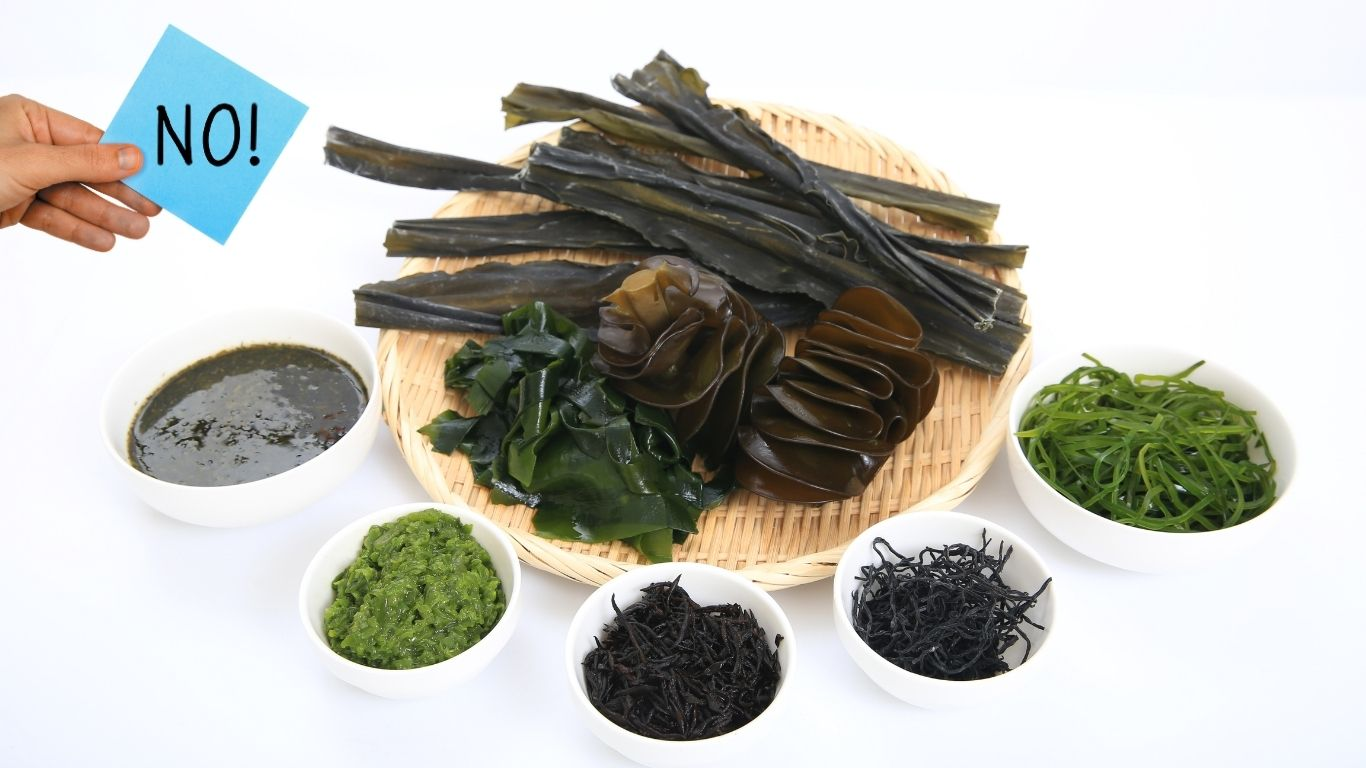
Proper Nutrition: Limit foods high in iodine (such as seaweed and kelp).
-
Smoking Cessation: Particularly critical for Graves' disease patients to prevent eye complications.
-
Stress Management: Ensure adequate sleep and emotional balance.
When to Seek Immediate Medical Attention
-
Uncontrolled palpitations or a very rapid heartbeat.
-
Rapid weight loss and severe exhaustion.
-
Pain or swelling in the neck; a rapidly growing goiter.
-
Bulging eyes, double vision, or eye pain.
-
High fever, severe diarrhea, or confusion (signs of a Thyroid Storm).
Conclusion
-
Hyperthyroidism is a common endocrine disorder that can lead to dangerous complications if not treated early.
-
Diagnosis is based on clinical findings and thyroid hormone tests.
-
Treatment options are varied, including medication, radioactive iodine, or surgery.
-
Patients should strictly follow their doctor’s instructions, attend regular follow-ups, and adjust their lifestyle for effective disease management.
👉 If you suspect symptoms of hyperthyroidism, consult an Endocrinologist for timely advice and treatment.
To schedule a screening or consultation for prediabetes at DYM Medical Center Vietnam, please contact:
-
DYM Medical Center Saigon: Room B101-B103, Basement 1, mPlaza Saigon Building, No. 39 Le Duan, Sai Gon Ward, Ho Chi Minh City
-
DYM Medical Center Phu My Hung: Room 3A01, 3A Floor, The Grace Building, 71 Hoang Van Thai Street, Tan My Ward, Ho Chi Minh City
-
DYM Medical Center Hanoi: B1 Basement, Epic Tower, Alley 19 Duy Tan, Cau Giay Ward, Ha Noi
-
Hotline: 1900 29 29 37
Register now to receive the latest offers
Book an appointmentMedical specialties
- Corporate health check-up
- Dental Checkup Package
- Pediatric Examination Package
- Work Permit Examination Package - Work Permit Supplement
- Pre-wedding health check-up
- Obstetrics and Gynecology Package
- Cancer Screening Package
- Health check-up for individuals
- Japan pre-entry Tuberculosis Screening(Jpets)
- Food Handler package
- Medical examination for labor export to Japan
- Medical examination for specific skills to work in Japan (Tokutei)


Contact us
Reach out to DYM for quick support through
our official channels.